I Was Taking Care of Everyone Else. But Who Was Taking Care of Me?
Category: Healthy Body
My caregiving journey, my health wake-up call, and what I learned about beginning again.
By Brenda Smith-Sellers
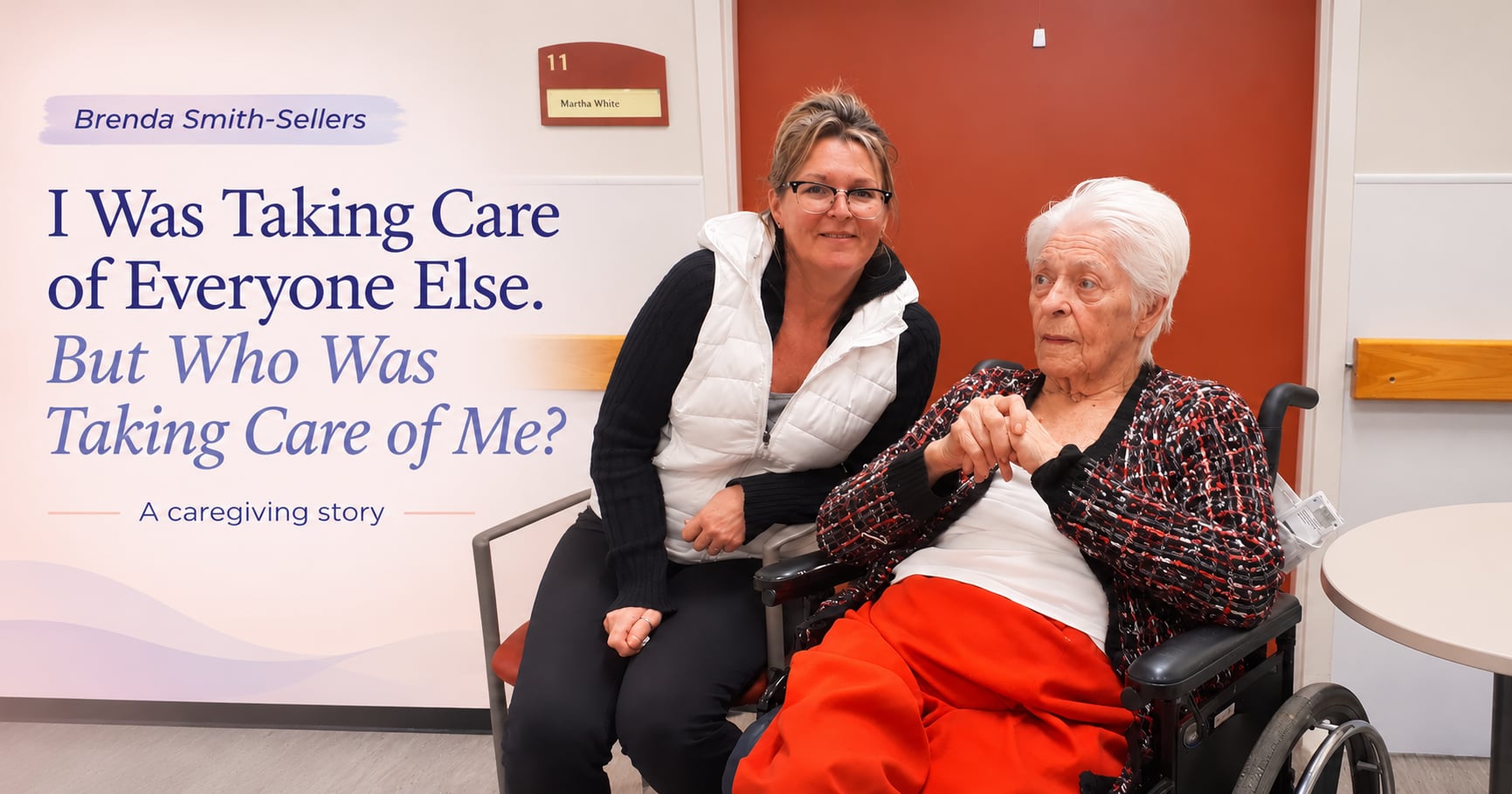
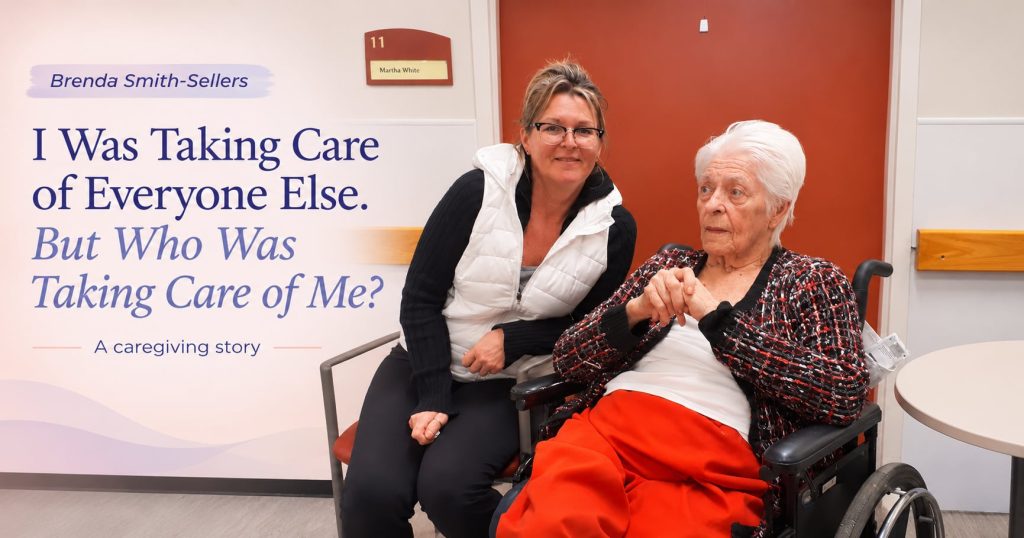
When my husband Scott and I decided to bring his mother into our home in 2016, we did it because we loved her and wanted to make sure she was okay.
We had started noticing little changes. She wasn’t eating properly, and I was making food every day and taking it to her.
We thought that having her live with us would be the best thing. That way, we could keep an eye on her and make sure she was looked after.
And you know what? There were some really good times.
We played card games almost every night because that was something she loved. We watched ball games together. We even had our little disagreements and bickered back and forth.
Those are memories I still carry with me. But as time went on, things became more challenging.
When Caregiving Becomes a 24-Hour Responsibility
I was working full time and coming home to help care for my mother-in-law.
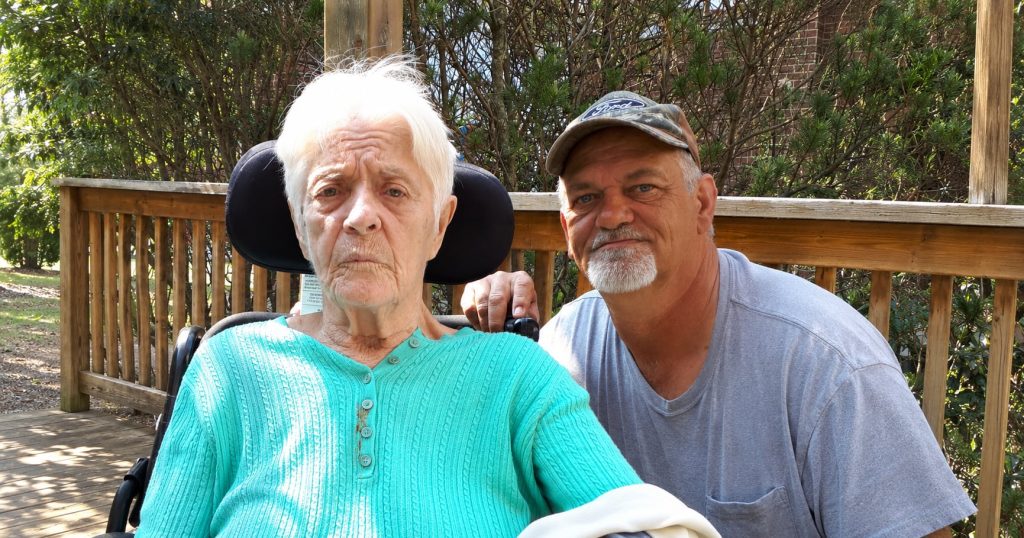
As her health declined, she started getting her days and nights mixed up. Scott would stay awake much of the night to make sure she was safe, while I continued going to work during the day.
It was exhausting for both of us.
Even when I went to bed, I was thinking about whether she was sleeping, whether Scott was getting enough rest, and how we were going to manage everything the next day.
Caregiving didn’t stop when the day was over.
There were times when we felt overwhelmed, and it put a real strain on our marriage. We loved her. We wanted to do what was right for her. But somewhere along the way, I stopped paying attention to what was happening to me.
My Own Health Was Trying to Get My Attention
I was so focused on being a caregiver that my own health became secondary.
I had experienced a fall that I brushed aside. I was dealing with health challenges of my own, but I just kept going.
Then came some very serious concerns with my lungs.
I had undergone surgery to remove the lower lobe of my right lung, and in 2020, I received a phone call from my respiratory specialist. He warned me that without treatment, my breathing could deteriorate to the point where I might need oxygen at home.
I remember thinking, “I’m going to prove you wrong, buddy.” That’s the determined side of me.
But looking back, I also realize I had been in denial about how much attention my own health needed.
My mother-in-law was my number one priority. I had put myself on the back burner. Eventually, I had to face the fact that I couldn’t keep doing everything the same way.
The Moment I Knew Something Had to Change
I remember thinking, “Enough is enough.“
Not because I didn’t want to care for my mother-in-law anymore. I wanted her to have the proper care she needed. But I also needed proper care for myself. And Scott and I needed to take care of our marriage.
We weren’t completely without help. Scott’s brother Rod and his wife Kathy helped us, along with my daughter and daughter-in-law. I’m grateful for the support they gave us.
We also worked with my mother-in-law’s doctor, who helped us tremendously, and eventually brought home care into the picture. That was an important step.
I had to understand that asking for help didn’t mean I wasn’t doing enough.
It meant recognizing that we couldn’t do it all on our own. That was something I needed to learn for myself, too.
Learning to Be Kinder to My Body
Once I started focusing more on my own health, I began exploring different ways to take better care of myself.
I’ve had health challenges for much of my life, including a thyroid condition since childhood. I also have food sensitivities, and I’ve had to learn more about what works for my body. Nutrition became something I paid more attention to, especially making sure I was getting enough protein when my appetite was low.
I continued working with healthcare professionals, asking questions, researching my concerns, and learning to speak up for myself. But I also realized I needed to make room for some peace.
I started going for massages. I explored salt caves, singing bowls, and other relaxation practices. I’ll be honest with you. The very first time I attended a singing-bowl session, I became so emotional that I had to leave the group afterward. I burst into tears.
That experience really stayed with me.
I was beginning to understand that taking care of myself wasn’t just about the physical side of my health. I needed time to slow down, reset my thinking, and be kinder to myself.
Those quiet moments didn’t solve my medical problems, but they gave me space to rest and reflect.
And Scott was supportive. He told me, “Do what you have to do to help you.” That meant a lot.
Learning to Speak Up for Myself
One thing this journey has taught me is that I need to listen to my own body.
I’ve learned to ask more questions, do my research, and keep working with healthcare professionals to better understand my health. There have been times when I’ve needed someone beside me at medical appointments.
I even brought my sister along because, at one point, I was struggling to accept what was happening with my lungs. I’ve learned that it’s okay to speak up when something doesn’t feel right.
I’ve also become more aware of how the people and conversations around me affect my emotional well-being. Sometimes you need to set boundaries. Sometimes you need more support, and sometimes you need to give yourself permission to step away and rest.
My health journey is still ongoing. I’m still learning. I’m still finding ways to support my body. I’m not giving up on myself.
What I Want Other Caregivers to Know
If you’re caring for a spouse, a parent, a mother-in-law, or someone else you love, I want you to know something.
I understand how easy it is to put yourself last. You get so busy making sure everyone else is okay that you forget to ask yourself the same question.
But your health matters, too.
You don’t have to change everything overnight.
- Maybe you start by taking 15 minutes for yourself
- Maybe it’s going for a little walk
- Making yourself a nourishing meal
- Asking someone for help
- Finally making that appointment you’ve been putting off.
- Maybe it’s simply learning to say, “I need a little time for me.”
One of the biggest things I’ve learned is that you have to listen to your body, and you have to be kind to it.
I can’t change everything I’ve been through, but I can choose how I move forward. That’s what beginning again means to me.
Not being perfect. Not having all the answers. Just taking those small steps toward feeling stronger, more supported, and more like myself again.
Because the person who takes care of everyone else deserves care, too.
With care,
Brenda
If my story sounds familiar, I’d love to connect with you. My Begin Again with Brenda Community is a place for women who are ready to make room for their own wellness, one small step at a time.